 Call our customer service!

References







High-Yield Tart Cherry Orchard in Debrecen – Humikal Universal Classic Granulate
Small-Plot Trial Under Farm Conditions in the Village of Kosd
Trial designed and carried out by: Kornél Komáromi
Location of trial: Kosd, Cselőte Puszta 0274/6
Soil type: Clay loam–loam soil with a binding index of 42
The Humikal Universal Classic Granulate was applied on 20 March 2025 to the trial plot, where three sectors were designated.
The first assessment was carried out during flowering. Based on the evaluated results, the treated plot had 0.6% more flowers on the trees compared to the control plot. During fruit set the treated plot had 3.87% more flowers successfully set than the control.
Given the short period between application and fruit set, this was already a visible difference. However, perhaps even more striking was the intensity of shoot growth observed in the treated plot. (Figure 1) Preliminary results showed 21% greater shoot growth in the treated plot.

(Figure 1) Left: shoot from treated plot; Right: shoot from control plot (Photo: K. Komáromi, Kosd, 2025)
The fruit was more uniform on the tree (Figures 2–3), with an average diameter of 22 mm in the treated plot compared to 19 mm in the control plot (Figures 3–4).
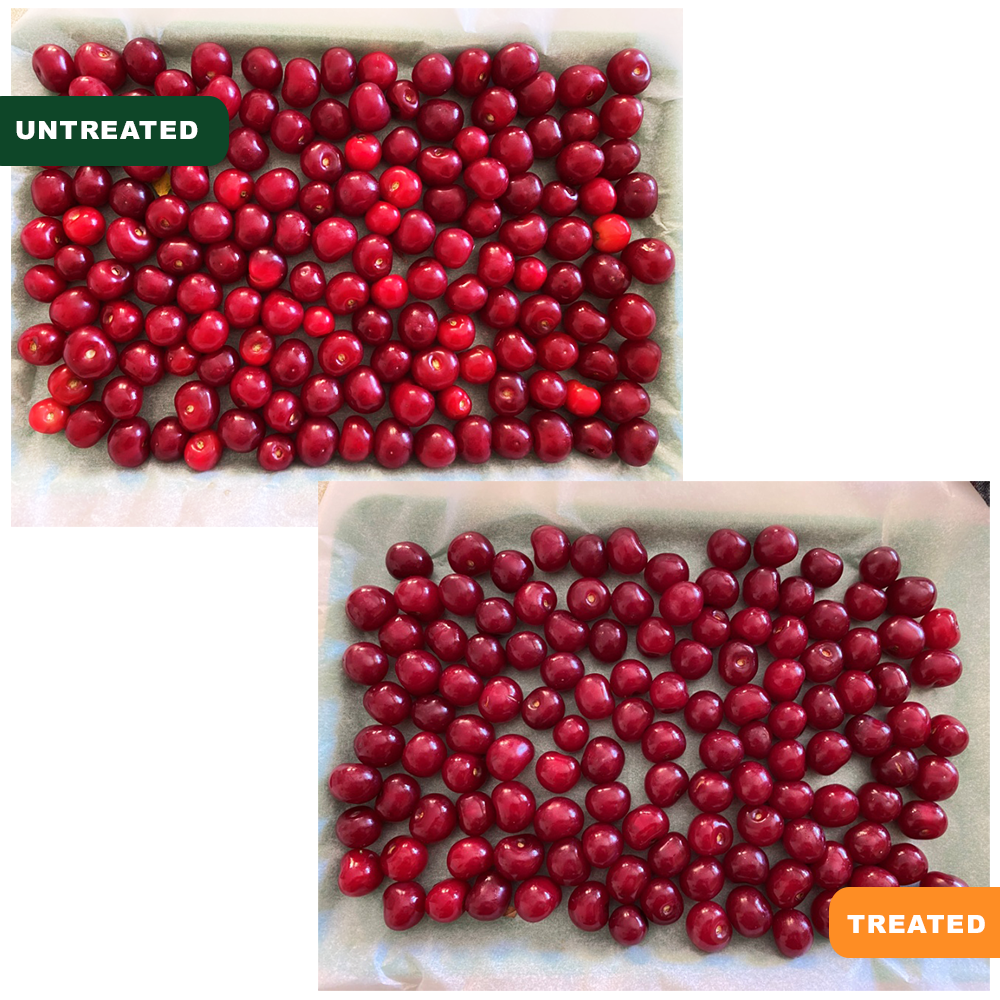
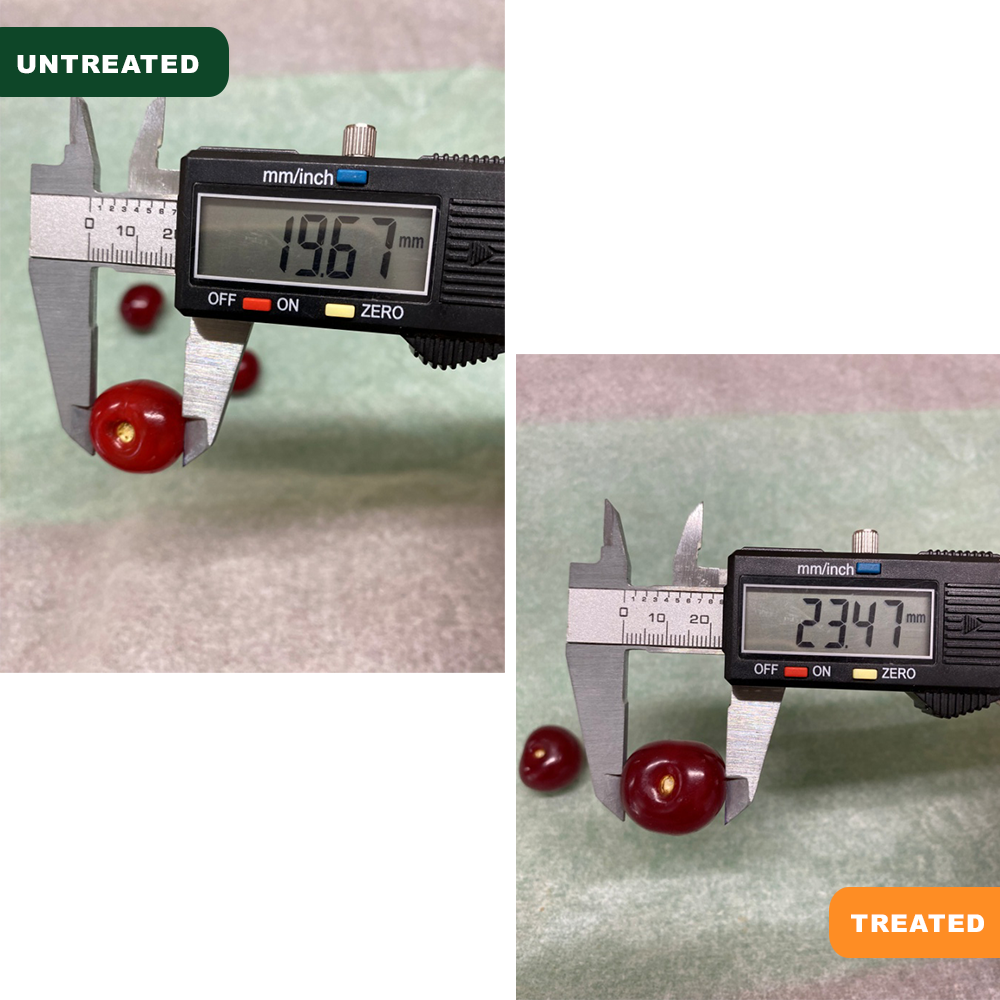
(Figure 2) Sample from treated plot (Photo: K. Komáromi, Kosd) 2025)
(Figure 3) Sample from control plot (Photo: K. Komáromi, Kosd, 2025)
(Figure 4) Sample from control plot (Photo: K. Komáromi, Kosd, 2025)
In the treated plot, there were 173 cherries per kilogram, compared to 187 in the control plot.
The uniformity was striking at harvest. In a 1-kg sample from the treated plots, there were 6 light-colored, smaller-diameter cherries (Figure 6), whereas the control samples contained 27 such cherries per kilogram.
(Figure 6) Sample from treated plot (Photo: K. Komáromi, Kosd)2025)
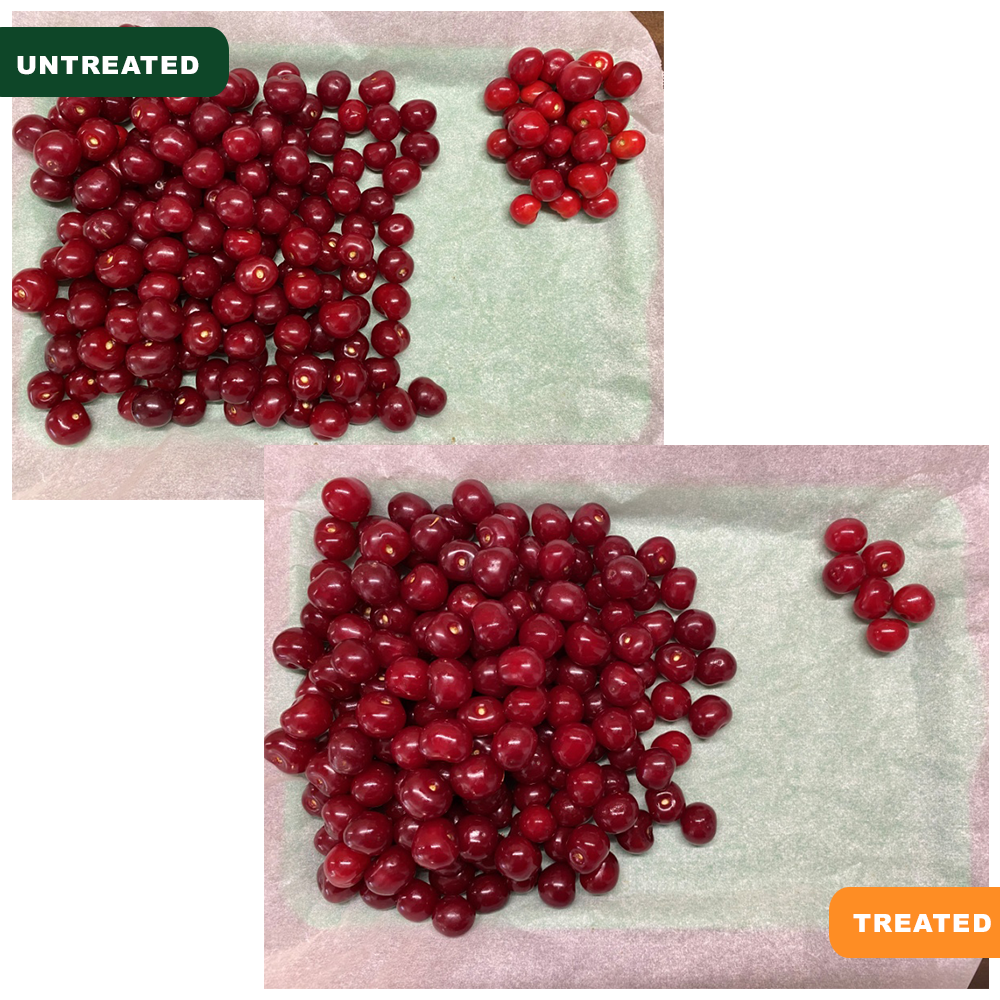
Regarding the harvested quantity, the treated plot achieved an average of 15 kg per tree, while the control plot averaged 11 kg per tree. The treated plot yielded export-quality raw material, whereas the control plot’s harvest was considered domestic-grade raw material.
The tart cherry sample treated with Humikal Universal Granulate generally showed better nutritional values compared to the control sample treated with urea, particularly in terms of sugar content and energy value, which may indicate higher quality and a sweeter taste.
Detailed analysis of each test component:
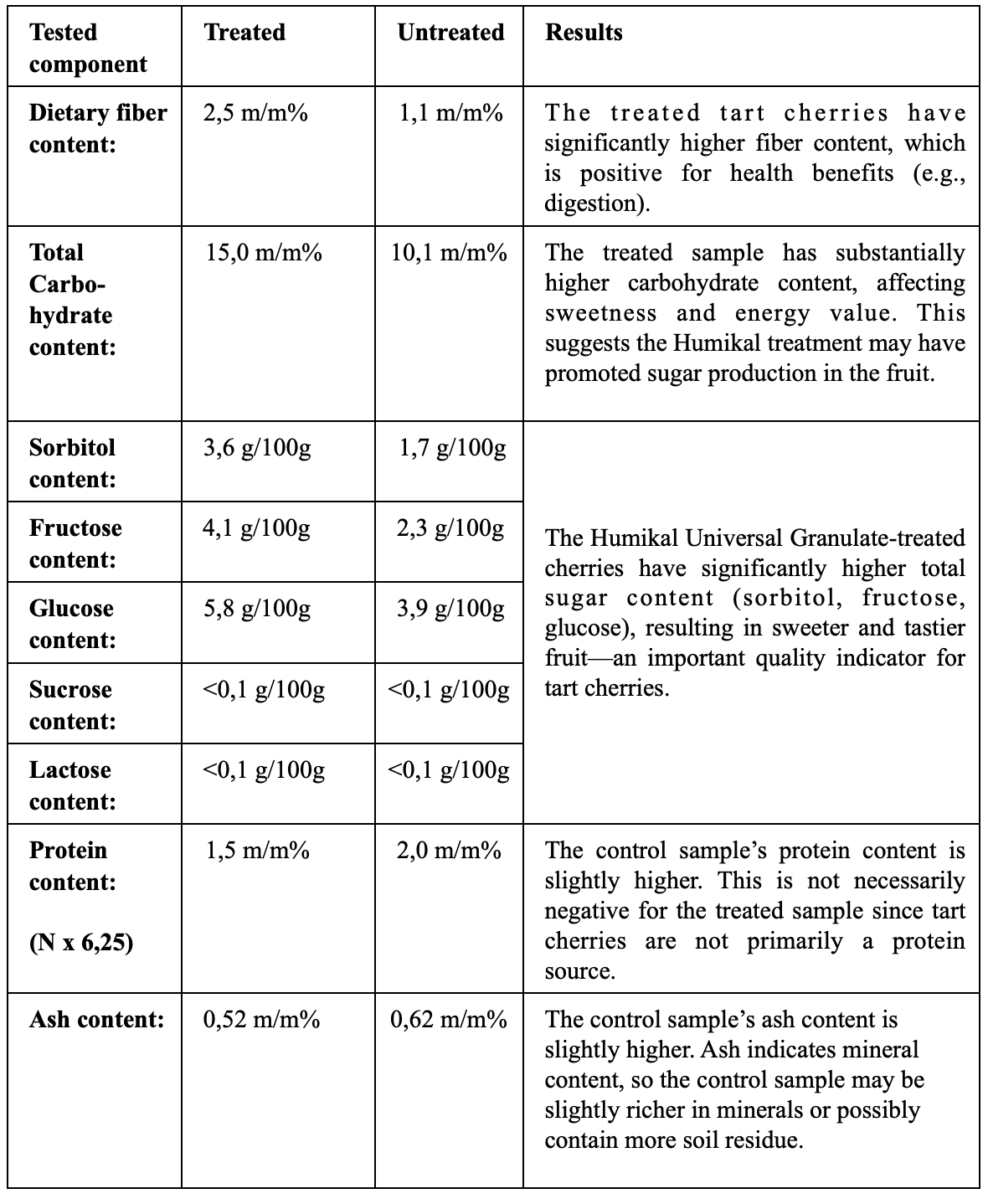
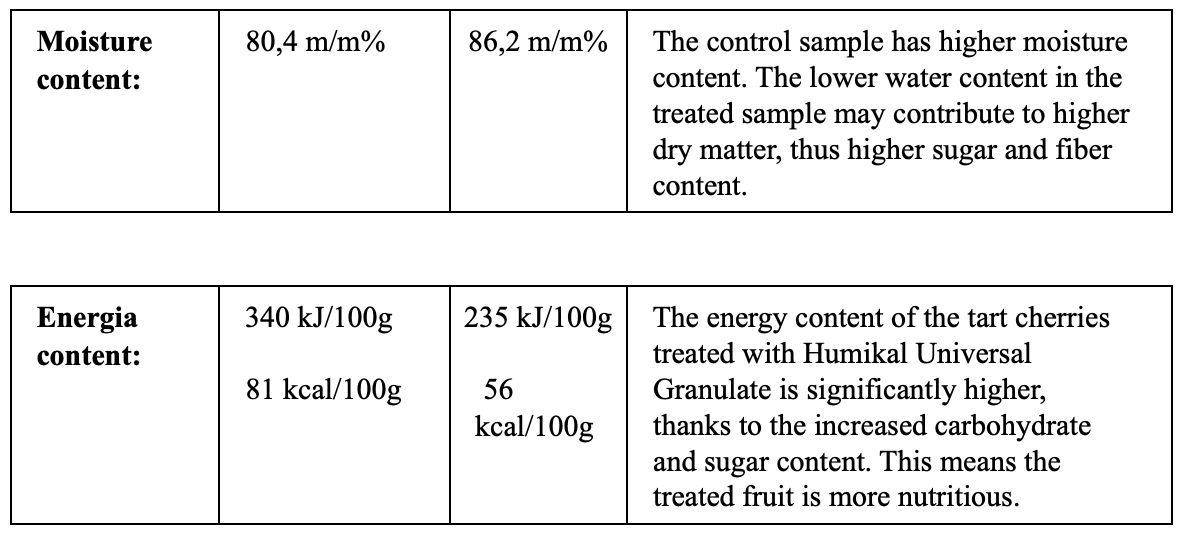
Based on the above data, it is clear that the Debreceni high-yield tart cherries treated with Humikal Universal Granulate demonstrate better quality results compared to cherries grown in areas treated with regulated urea. The most significant improvements observed include:
- Higher sugar content: resulting in a sweeter taste and improved consumer experience.
- Higher dietary fiber content: offering health benefits.
- Higher energy content: producing a more nutritious fruit.
- Higher total carbohydrate content.
- Lower moisture content: which may contribute to a more concentrated flavor and higher dry matter.
These results suggest that Humikal Universal Granulate effectively influenced the internal quality of the cherries, promoting sugar synthesis and overall nutritional quality enhancement.
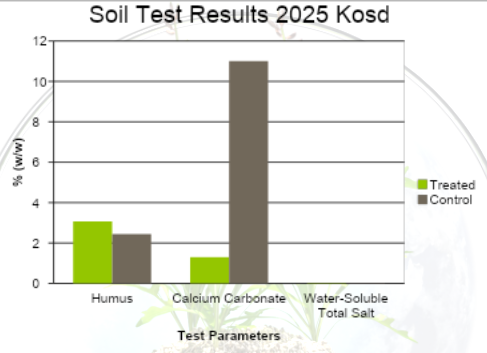
A detailed soil assessment in a productive sour cherry orchard in Érd provided an excellent opportunity to compare two different nutrient management strategies: one plot received a humic acid–based treatment (Humikal Universal Classic Granulate), while the control area was fertilized with NBPT-stabilized urea. The results clearly demonstrate how humic acid influences nutrient dynamics, soil structure, and long-term soil fertility.
Macronutrients: Noticeable Advantages in the Humic-Treated Plot
The treated area showed significantly higher concentrations of key macronutrients:
Phosphorus: +118%
Potassium: +96%
Meanwhile, nitrite+nitrate nitrogen levels were noticeably lower. The humic-treated soil measured 4.57 mg/kg, while the control showed 12.1 mg/kg — a 37% decrease. Rather than indicating nutrient loss, this reflects improved nitrogen uptake and more efficient utilization by the plants.
Micronutrients: Enhanced Availability Due to Humic Acid
Micronutrient levels also shifted favorably in the treated plot:
Zinc: +60%
Sulfur: +11%
Magnesium: +197%
These improvements arise from the chelating ability of humic acids, which reduce nutrient fixation and improve solubility — especially in soils where carbonates limit availability.
Humus Content: A Marker of Long-Term Soil Health
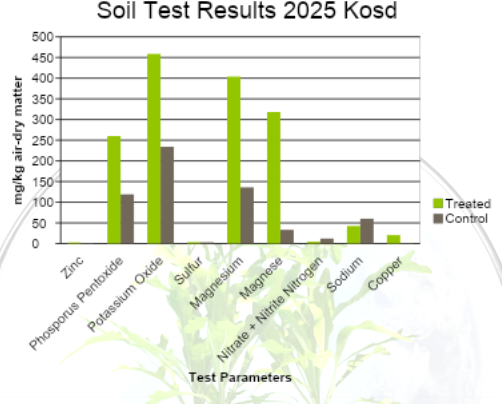
One of the most striking differences was the 25.8% increase in humus content in the treated area.
Humic acids contribute to: the formation of stable humus complexes, improved integration of organic matter, and greater long-term nutrient storage capacity in the soil.
In contrast, stabilized urea supplies nitrogen but does not support humus formation — and may actually diminish humus content over time.
Calcium Carbonate (CaCO₃): Lower Fixation, Better Nutrient Mobility
The control plot showed significantly higher CaCO₃ levels.
Humic acids help bind excess carbonates, which results in:
reduced nutrient immobilization, improved availability of micro- and meso-elements, more active root-zone conditions.
Urea-based fertilization does not influence carbonate binding, so these constraints persist in the control soil.
Water-Soluble Salts – Favorable Across Both Plots
Both treatments showed low salt levels, indicating no salt accumulation.
This is consistent with the slow-release nature of NBPT-protected urea, which minimizes salinity issues — beneficial for soil biology and root development.
Comparing Soil Samples Before and After Treatment
When evaluating soil data from before and after the humic acid application, positive changes can also be observed:
Macronutrients:
Phosphorus: +0.7%
Potassium: +3.3%
Nitrite+nitrate nitrogen: –33.7%
Micronutrients:
Zinc: +30%
Manganese: +7%
Copper: +58%
Humus content increased by 10%, strengthening long-term soil fertility and structure.
Overall Benefits of Humic Acid Treatment:
The Humikal Universal Classic Granulate treatment provides multiple soil-specific advantages:
increased humus levels and improved soil structure
reduced carbonate-induced nutrient binding, higher micronutrient availability, better water retention and soil porosity, long-term soil regeneration and improved nutrient cycling.
Rather than acting solely as a nutrient source, humic acid functions as a comprehensive soil conditioner, supporting a more resilient and productive orchard environment.
Fruit culture experiment
Company involved in the experiment: Dr. József Csepeli, sole proprietor, producer
Location: Kecskemét, parcel no. 0820/129, 4 hectares Érdi high-yield tart cherry orchard
Soil type: Multi-layered sandy soil
Following last year’s drought, when the region received less than 400 mm of rainfall, the first 8 months of 2023 saw sufficient precipitation. Irrigation was only necessary directly before and about a month after harvest. The orchard did not show any signs of drought stress this year.
The fruit-setting period has been a critical phase in recent years for orchards, so after applying Humikal, bee colonies ensured pollination. Despite cold spells during flowering, fruit set was relatively successful, with frost protection treatments reducing losses to 20-30%.
Post-fertilization, I estimated a yield of 10-15 kg per tree, accounting for the typical pre-harvest fruit drop in tart cherries. The trees showed no deficiency symptoms after flowering stress; no micro- or macroelement deficiencies appeared on the leaves.
Plant protection treatments were supplemented with Humikal liquid foliar fertilizer at a dose of 5 liters per hectare, applied occasionally. After fruit set, fungicides and insecticides were applied together three times.
The most noticeable difference compared to previous years occurred in the second half of May: the 3-meter spacing between trees was already filled with foliage by early May. We did not anticipate that the 5-meter row spacing left for tractors and cultivation tools would prove to be insufficient, as in some places rows were touching due to intensive shoot growth.
The untreated control area also grew well but lagged behind the treated section in shoot growth. The first photo shows the treated stand; the second shows the untreated.

Pre-harvest fruit drop occurred as scheduled, about 2–3 weeks before harvest, with cold damage indicating an additional 20–30% loss.
The harvest time arrived on June 20th, and the crop appeared ready for picking. However, the usual industrial demand was lacking, so preparations for manual harvesting were made.
Surprisingly, the fruit ripened uniformly and developed evenly. Manual picking did not require selective picking or multiple passes. The fruit remained in good condition and suitable for harvest over an extended period. Despite signs of frost damage, the yield reached 20 kg per tree.
The Érdi high-yield tart cherry is known for its good taste and is excellent both for fresh consumption and preserving in jars. This year, the flavor was particularly outstanding, as confirmed by consumer feedback. On the 30th, the harvest was sold directly to consumers for fresh consumption, with continuous orders. The average fruit size ranged between 23 and 26 mm.9
Following the harvest, the orchard maintained its vitality, with previously observed shoot growth reaching 80 cm.
- Despite a yield of 10 t/ha, the foliage showed healthy characteristics.
- No signs of stress were observed.
- At the final crop spraying on August 15, the leaf fall was minimal.

In Welschriesling grapevine – Humikal Universal Liquid Classic
Our company, Palatinca Szőlő Ltd., manages a contiguous 60-hectare area near Szekszárd. Next door is one of the world’s largest Italian wineries. We cultivate 15 grape varieties using modern two-cane pruning without shoot thinning.
For the experiment, we selected a 2-hectare contiguous block of Welschriesling vineyard, as promoting fruit set and ripening is particularly important and necessary for us here.
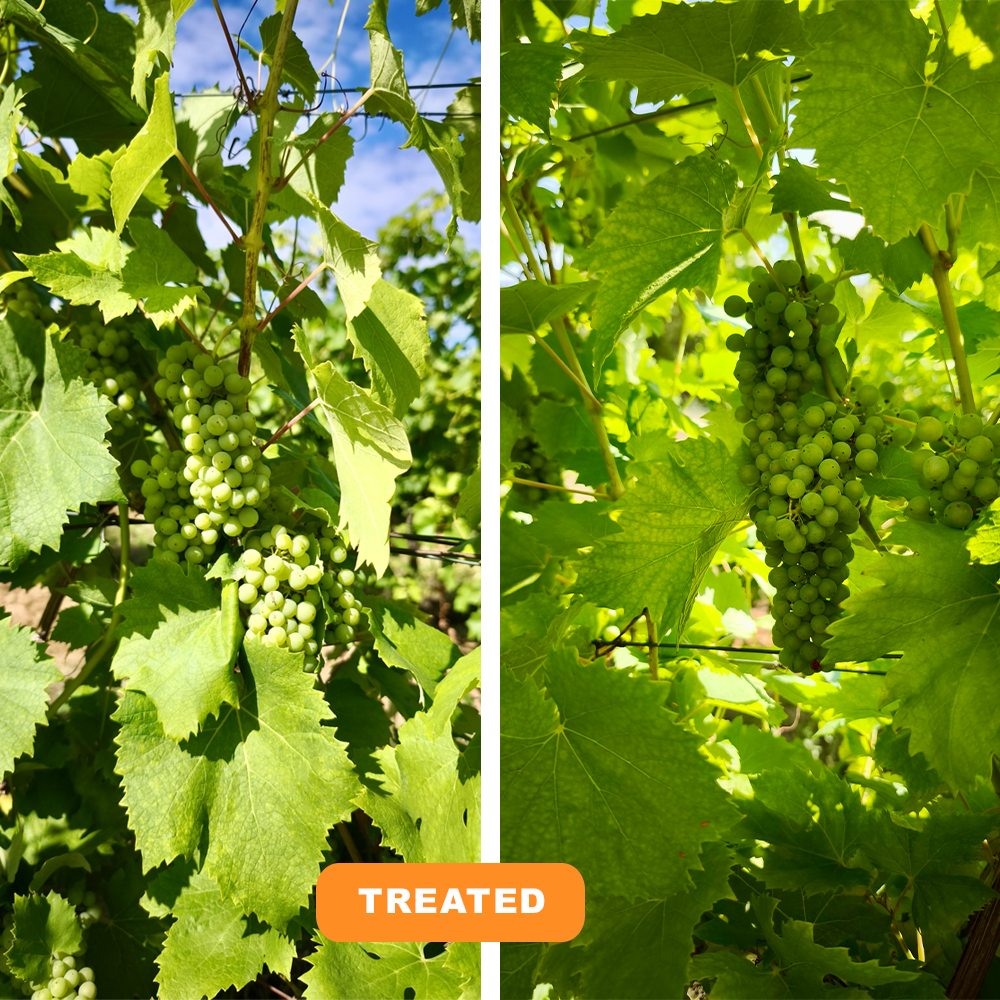
On June 23 and July 7, we applied the product twice at a dose of 10 liters each time, diluted in 200 liters of water per hectare as a foliar fertilizer. The results are positive: the cluster closure was satisfactory, the green canopy is very healthy, and a large yield is expected.
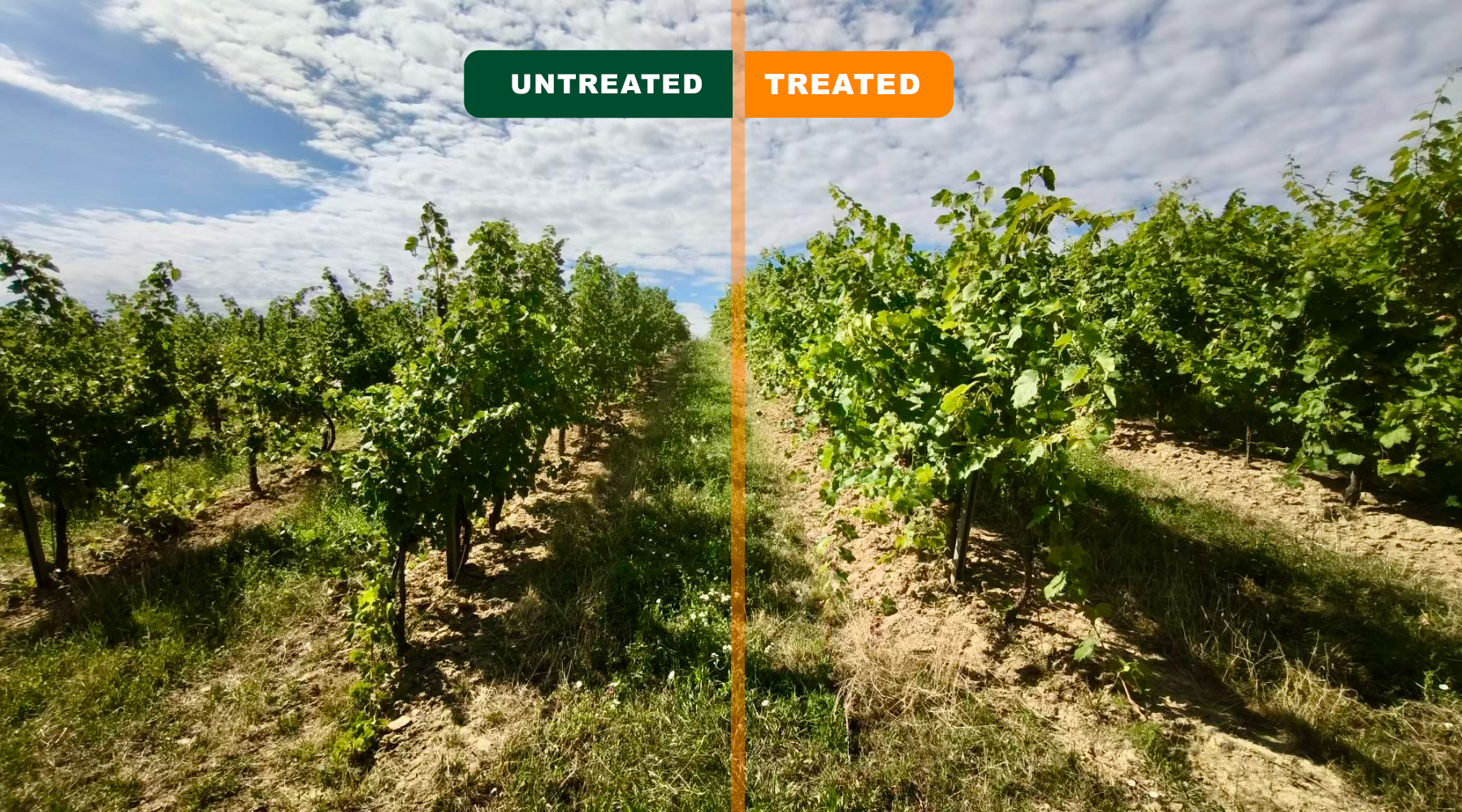
The neighboring vineyard (directly adjacent) is planted with Cserszegi Fűszeres (an aromatic white grape variety from Hungary), where the condition of the canopy shows it is less dense and less healthy. In contrast, the positive effects of the green canopy and healthy foliage in the Welschriesling block definitely support an adequate yield and a healthy crop is expected.
RESULTS:
In 2025, Humikal Classic liquid was applied twice on a 2.5-hectare Welschriesling vineyard: first post-flowering during the berry growth stage, and subsequently at veraison, using 250 l/ha of water as a foliar application. Welschriesling was specifically selected as its growth response provides the most distinct indication of treatment effects.
According to the harvest results, the total yield from the 2.5 hectares exceeded 550 quintals, corresponding to an average of 220 q/ha. This represents a substantial increase compared to previous years, when yields consistently remained below 200 q/ha, typically in the range of 150–170 q/ha for Welschriesling.
Humikal Universal in Field Crop Production

Responsible persons:
- Zsolt Pintér, Managing Director
- Attila Vitáli, Crop Production Technical Manager
Location: Beled, Hungary
Area: 7 hectares of mixed crops treated with Humikal Universal Liquid; the control plot covered 5.22 hectares.
The trial demonstrated clearly visible positive results in plant development and yield on the treated area. The grain quality showed measurable improvements — the cereals were richer, fuller, and more vibrant.
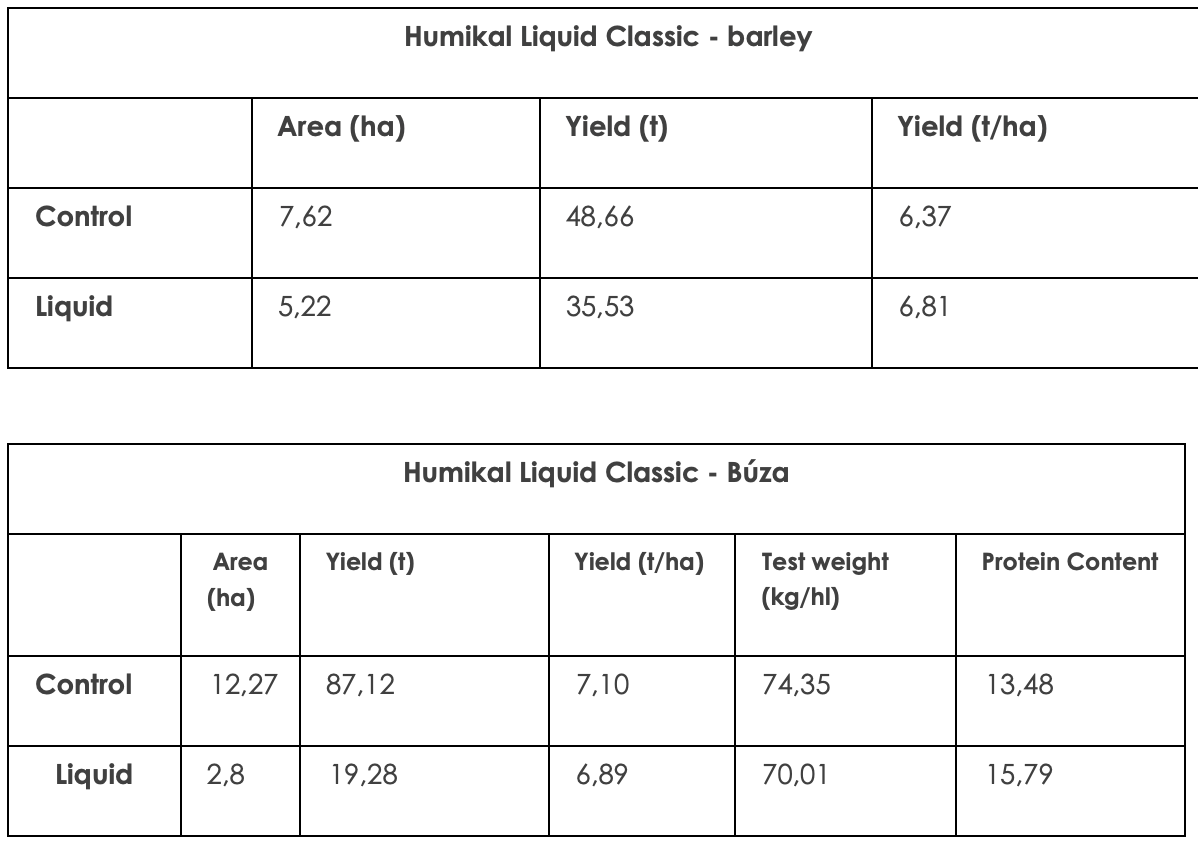
Adjusted to the proportion of the control area, it is evident that in barley, the yield increased by 440 kilograms per hectare following a single application. In the wheat trial, attention should be given to the increase in protein levels. The mechanism exerts its effect progressively with continuous use. Since the soil is dry and depleted
The aqueous extract of Brown Coal / Leonardite / Lignite can only render mineral fertilizers suitable for effective root uptake in the growing medium through regular feeding (semi-annually or annually).
The nutrient supply chain breaks down when excessive nitrogen application depletes the natural fertility of the soil, and the lost ecological balance is artificially compensated by over-fertilization.
Winter Wheat
Trial in Winter Wheat Cultivation, Kovács Roland, Farmer – Humikal Universal Liquid Classic
Report by: Kovács Roland, Producer
Trial Location: 7539 Szulok, parcel number 0140/2
Soil Type: Very poor sandy soils with low organic matter content, exhibiting numerous soil issues such as nitrate sensitivity.
The crop spraying was done at the beginning of the heading stage. The product performed much better than expected, as I applied 2 x 3 liters per treated area.
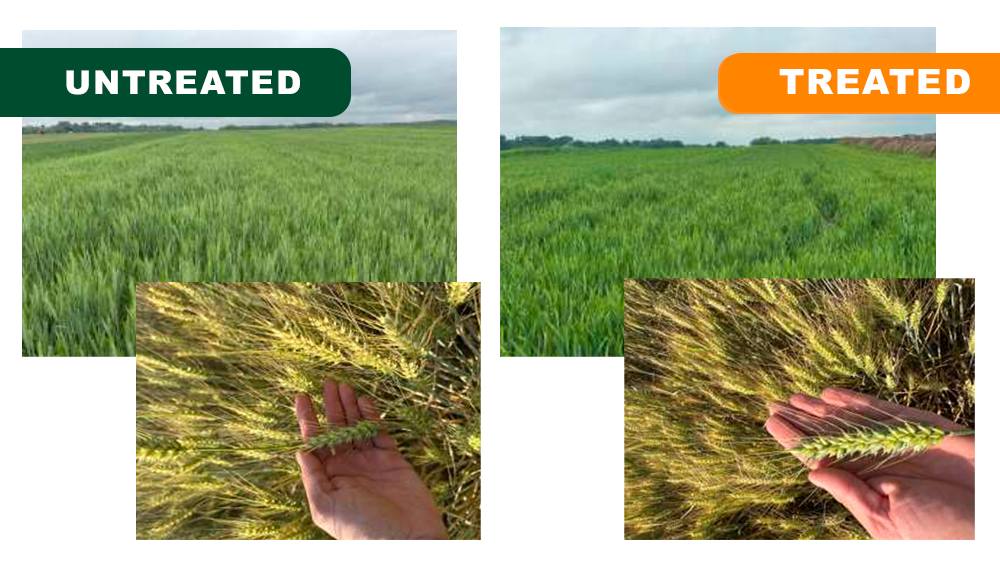
Differences can be seen both in color and in the size of the ears. The product I used was Humikal Universal Classic Liquid — but let the pictures speak for themselves.
Result:
The producer achieved a 25% increase in yield in the area treated with Humikal Universal Liquid compared to the controlled, control plots.
Market success:
The harvested wheat was sold at a price of 73,000 HUF/ton - including compensation, which is a particularly favorable result in the current market environment!
Treatment technology:
Fertilizer application: In both the treated and control areas, 225 kg was applied in the first stage, followed by an additional 150 kg after 2 weeks.
Spraying was carried out twice on the field treated with Humikal Universal Liquid, at a rate of 3 liters/hectare, at the beginning of earing.
At the beginning of spring the difference between the treated and untreated area was clearly noticeable: the color, condition, and tillering of the crop clearly favored the treated area.
The harvest results confirmed this as well: on the untreated plot I achieved a yield of 6.1 t/ha, while from the treated area 7.5 t/ha of wheat went on the scales.
This meant an extra 1.4 tons per hectare, which provided a significant income advantage.
Triticale Crop
Application site: Kerekegyháza
Parcel number: 0164/37
Soil type: Grade 6 quality arable land, 7 AK (Agricultural Economic category)
Soil Quality: Once vineyard and orchard land.
Farmer: Kaldenekkel Olivér
Soil Type: Very poor sandy soils with many defects due to applied copper and other chemicals.
Applied Amount: 300 kg per hectare dose.
Farmer’s words:
As shown in the photos, where I applied the soil conditioner — Humikal Universal granulate — the triticale is more uniform, darker green, and more tilled. In the untreated areas, the stand is much more scattered. Each area received 200 kg of ammonium sulfate in autumn and 400 kg in spring. On top of that, I applied the Humikal Universal granulate. The spreading was uneven, which can be seen in the darker and lighter stripes. However, where I did not apply it, the entire area is significantly lighter and less developed.

The Farmer’s Feedback After Harvest:
“As I photographed in spring, the difference in coloration and tillering between the two plots was already visible at that time—naturally, in favor of the treated field.
In terms of yield, the untreated plot produced 3,300 kg/ha, while the treated plot yielded 3,900 kg/ha of triticale. This represents an additional 600 kg per hectare, which translates into **36,000 HUF/ha in extra revenue (600 × 60 HUF).”
Spring barley
Location: Martfű, Jász-Nagykun-Szolnok County, Hungary
Crop: Conchita Spring Barley
Farmer testimonial – Balázs Balogh:
The field received Humikal Universal Classic Granules at a rate of 300 kg/ha, incorporated into the soil before sowing. During the growing season, Humikal Universal Classic Liquid was applied at 5 L/ha together with a Yara foliar fertilizer in a single pass. Emergence was rapid and uniform.
During the growing season, the field received 77 mm of rainfall.
The average yield in 2025 was 3.3 t/ha. Following the use of the Humikal Universal Classic products, the average yield of the spring barley increased to 4.1 t/ha in 2026.
Maize Cultivation
Operational Results – László Vass, Maize Cultivation
Location: Magyaralmás (Fejér County)
Farmer: László Vass
Crop: Maize
Treatment: Humikal Universal Granulate – applied at 300 kg/ha using a fertilizer spreader
Area: 6.5 hectares

Objective of the Trial:
The aim of the study was to evaluate the effect of Humikal Universal Granulate on maize
production under farm conditions. The trial compared the yield and economic performance of
plots treated with Humikal Universal Classic Granulate to untreated (control) plots.

Harvest Results:
|
Treatment type |
Yield (t/ha) |
Note |
|
Control (untreated) |
4,57 t/ha |
|
|
Humikal Universal Classic Granulate |
5,29 t/ha |
+ 0,72 t/ha (+16% Yield increase) |
Calculation of Additional Income:
0.72 t/ha yield increase × 74 Ft/kg (average maize price) = +53,280 Ft/ha
A positive return on investment was already observed after the first application.
Product Description:
Humikal Universal Classic Granulate is a complex soil conditioner containing dolomite,
zeolite, and humic and fulvic acids. The combined effect of these components improves
the soil’s physical structure and biological activity, creating a more aerated, biologically
active, and moisture-retaining soil. This leads to more stable yields and better nutrient
utilization.
The use of the product can bring not only quantitative but also qualitative improvements in
maize cultivation, such as:
● higher protein, oil, and starch content,
● better grading category,
● improved purchase price and profitability.
The farm-scale trial in Magyaralmás clearly demonstrates that Humikal Universal
Granulate effectively increases yields and improves soil condition.
Sunflower Cultivation Report
Farmer: Zoltán Nagy (Primary Producer)
Location: Újfehértó outskirts, Grimbó area
Soil type: Sandy soil
Soil quality (Aranykorona value): 2 AK
Trial area: 2.5 ha
Applied Humikal Products
1. Humikal Universal Classic Granulate
- Applied quantity: 500 kg
- Application date: Second week of April 2025
- Application method: Fertilizer spreader
2. Humikal Universal Classic Liquid
- Applied quantity: Total of 20 liters
- Application method: From the 3rd growth stage, repeated every 8 days
- Dosage: 8 liters/ha (total of 20 liters for 2.5 ha)
Other Applied Inputs: Ammonium nitrate (CAN): 180 kg/ha Years of application: 2024 and 2025
Results:
- Average yield in 2024: 2.4 t/ha
- Average yield in 2025 (with Humikal products): 3.8 t/ha
- Yield increase: +1.6 t/ha
Economic outcome:
Based on an average sunflower market price of 170 HUF/kg, the yield increase resulted in an additional income of 272,000 HUF per hectare.
Observations and Experiences
The emergence was uniform and vigorous, which is rarely observed on sandy soils. The plants showed strong development, appearing visibly healthier and more robust compared to previous years.
The sunflower crop demonstrated good drought tolerance. In earlier years, even on better-quality soils, the average yield did not exceed 2.0–2.2 t/ha, therefore the 2025 results represent a significant improvement both in quantity and in overall plant performance.

Tomato
Company participating in the trial: János Kozma, producer
Persons responsible for the trial: János Kozma, owner
Location: Aba, Hungary
Experimental and application results of the aqueous extract of Brown Coal / Leonardite / Lignite:
The experimental period took place in a 1.2-hectare greenhouse located in Aba, which is not fully modernized, where we have been growing greenhouse cocktail tomatoes for 15 years.
The greenhouse consists of 18 bays (each 18 x 4.5 meters), with 5 rows per bay. The row length is 85 meters, and it uses a tray system for cultivation. The spacing between rows and plants is 150 cm x 30 cm, resulting in a plant density of 2.2 plants per square meter.
The tomato variety grown is Ardiles Reina, grafted onto Maxifort rootstock. Seedlings were transplanted on November 15, 2023, for the experimental season. The planned cultivation period is from November 15, 2023, to December 10, 2024.
The aqueous extract of Brown Coal / Leonardite / Lignite was applied starting with irrigation immediately after transplanting. We added 6 liters of the extract to a pre-mixed, highly concentrated fertilizer solution of 1000 liters stock solution.
The fertigation system irrigates automatically with a preset EC value of 3‰ (3 mS/cm), which it achieved by mixing it with clean water, maintaining a pH of 5.5.
1. Transplanting
The first positive effects were already visible during the transplanting and rooting phase. The root system was healthy, densely branched, and showed vigorous growth. The results one week after transplanting are shown in the attached photo.
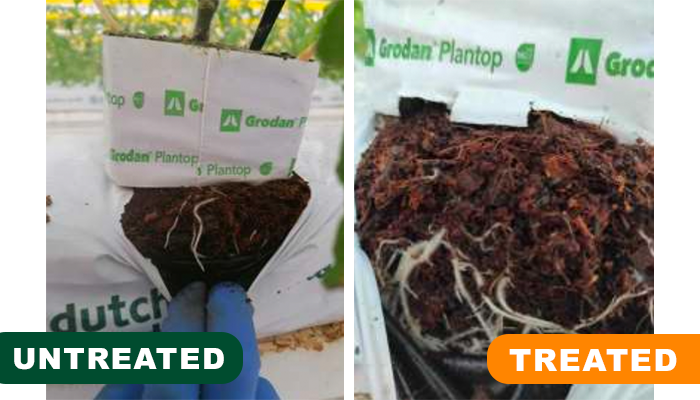
A 30% of the cultivation plot is already interwoven with roots.
The next picture shows the root development of an untreated plant. The root growth is slower, branching is less vigorous, and somewhat weak.
2. Vegetative Growth Phase
During this period, we continued applying the aqueous extract of Brown Coal / Leonardite / Lignite without changing the dosage, maintaining 6 liters per 1000 liters of stock solution. At this time (December), the natural light
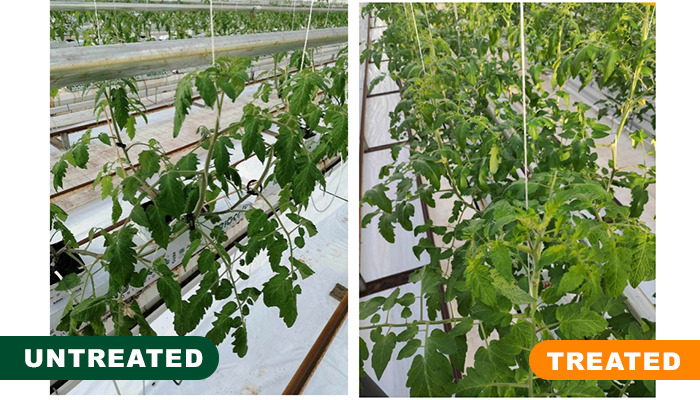
The light intensity was low (36 W/m²), and the set average temperature was 15.5 °C. Although tomatoes require more light and higher temperatures, the plants tolerated these environmental conditions well. We obtained very healthy, well-balanced plants. The foliage development and plant growth were balanced. The treated crop was homogeneous.
2. Treated Plant — Untreated Plant
3. Flowering and Fruit Set
Due to the low light intensity, flowering was slower, but the quality of flowers and pollen was satisfactory. The flowering and subsequent fruit set in the treated plants were uniform.
Fruit Ripening
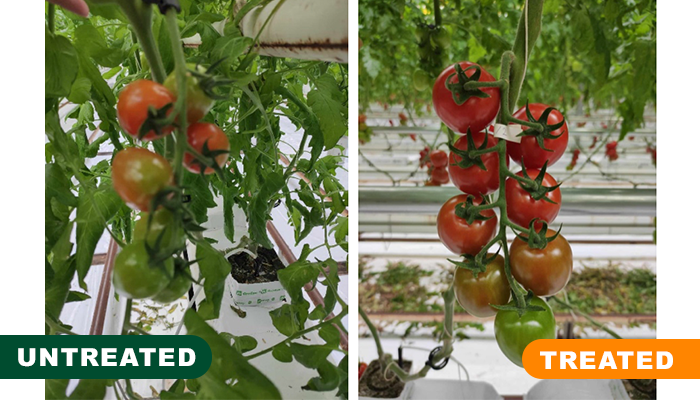
Fruit ripening started 8 weeks after the first cluster bloomed. The berry size was appropriate (40g), and the ripening process was uniform.
The following picture shows the ripening cluster on an untreated plant. The berries in the cluster are spaced unevenly. The ripening process is slow and inconsistent within the cluster. This can also be attributed to the delayed flowering.
In summary, it can be said that the use of the aqueous extract of Brown Coal / Leonardite / Lignite
- Resulted in increased crop yield.
- The nutrient solution had a positive effect on the growth and leaf formation of the treated plants.
- A On the treated tomato plants, more flowers developed, and fruit set occurred earlier; the fruit development also finished sooner.
- Throughout the entire cultivation period, the plants were in better condition, exhibited higher stress tolerance, and showed improved nutrient uptake.
However, one thing to pay attention to regarding dosing: increasing the amount beyond 6 liters immediately began to raise the pH value of the growing medium. While the ideal pH range of 6–6.5 was maintained at 6 liters, applying 7 liters caused a noticeable pH increase by the next day.
Pepper

Sándor Dézsi – Pepper Seedlings, Kitchen Garden
Customer’s words:
"I sowed this pepper seed 5 weeks ago.
By now, it has already developed its 3rd pair of leaves. Tomorrow, I have to transplant them. Normally, it would take about 2 months to get this far, but they’ve never been this healthy and strong before. My houseplants have also started growing well.
I recommend this to everyone who wants to grow plants without chemicals.
My garden has never been this beautiful and healthy, thanks to your product. I used to buy seedlings, but this year I didn’t need to because they were ready to plant out after just 6 weeks.
My potatoes are about 50 cm tall and starting to form buds. I can harvest the sugar snap peas next week, and so on. And don’t even get me started on the flowers in my little arboretum (my favorite).
Thank you for your products!"
Here are some customer photos:

Cabbage Field Trial


Producer: Istvánné Szekerczés
Parcel Number: 3192
Soil Type: Black soil
Application Technology and Conditions
Products Used:
• Humikal Universal Classic Granular
• Humikal Universal Classic Liquid
Time and Method of Application:
• Spring 2025, after pruning, at the 3–4 leaf stage
• Manual application directly around the rootstocks
• Applied on an overcast day with significant rainfall occurring within 12 hours
Applied Quantities:
• 40 kg of granules
• Treated area: 0.156 ha
• The liquid formulation was used every two weeks as a foliar fertilizer, combined with plant protection products
The area is characterized by nutrient-rich black soil, although it is prone to surface cracking and temporary moisture shortages. Before the introduction of Humikal products, a nitrogen-fixing crop was used to improve soil condition. Two weeks after the granular application, the producer started regular foliar fertilization with Humikal Universal Classic Liquid.
Visible improvements in plant condition appeared within the first few weeks. The rose rootstocks developed brighter, more vibrant green leaves with a noticeable gloss, and shoot growth became faster and more vigorous. Overall plant vitality significantly increased. Throughout the vegetation period, the plants maintained balanced growth, and flower formation became continuous and abundant. Flower coloration intensified, and the petals developed a thicker structure, contributing to longer post-harvest shelf life.


The soil structure also improved considerably. The top layer became more crumbly, moisture retention increased, and surface cracking was greatly reduced compared to previous years. Alongside the improved soil properties, the incidence of fungal diseases decreased, indicating enhanced plant resilience.
In terms of yield, the benefits of the Humikal products were clearly measurable. According to the producer’s estimates, the number of flower stems per plant increased significantly, and both the size and market quality of the flowers improved. Overall yield gains reached 20–25 percent, a remarkable result for a crop with a short vegetation period. Cut flowers remained fresh for an additional two to three days during cooled storage, which provided a strong market advantage.
From an economic perspective, the use of Humikal proved to be cost-effective. Although the granular and liquid products represent an additional investment, the increased yield and higher-quality flowers fully compensated for the expenses. Based on the producer’s experience, Humikal is a beneficial long-term choice, as it enhances soil biology, improves soil structure, and supports consistently stronger plant growth. Reduced fertilizer requirements and more environmentally friendly cultivation practices provide further sustainability advantages.


The combined use of Humikal Universal Classic granules and Liquid demonstrably improved:
• soil physical condition
• the vitality and disease tolerance of rose rootstocks
• flower yield and market quality
• the economic efficiency of production
Humikal Universal Reference – Foliage Plants, Hydroponic Cultivation
Grower: Márton Péter Kugli
Company: Nelumbo Bt.
Crop: Foliage plants (hydroponic cultivation)
Period: 16 January 2026 – 19 March 2026
Applied Technology
Humikal Universal Liquid was applied using a fogging system under the following parameters:
- Dosage: 250–300 ml / 500 m²
- Application interval: Every 8–10 days
- Total number of applications: 7 treatments
Observations and Results
Following the treatments, several positive changes were observed in crop development:
- More uniform and healthier foliage development
- Deeper green leaf coloration and improved overall plant condition
- Thicker and more resilient leaf blades
- Significant improvement in cutting root development, with plant loss virtually eliminated
- Increased leaf size observed in certain species
No phytotoxic effects were observed during use, either when applied alone or in combination with insecticides.
Professional Note
At the beginning of the program, the initial greening effect appeared less pronounced due to prior micronutrient foliar fertilization. However, continued use clearly confirmed the positive impact of the technology on plant development and overall condition.
Summary
Regular application of Humikal Universal Liquid in hydroponic foliage plant production contributed to improved crop uniformity, enhanced plant vitality, and greater reliability during propagation.


Humikal Universal Granulate – On Lawns
Park Maintenance – Jenő Kiss – Humikal Universal Classic Condition of the lawn after aeration; Humikal Universal Granulate was applied immediately afterward. After aeration, the condition looked like this immediately.

1. and 2. picrure: before treatment.

3. picture:
2,5 weeks after treatment.
4. picture:
3 weeks after treatment.
5. picture:
4 weeks after treatment.